The Irish Draught Horse – 10 Incredible Facts
The History, Purpose, and Enduring Influence of Ireland's Beautiful Native Horse Breed

Powerful, athletic, practical and surprisingly rare - the Irish Draught Horse (or “Draft” as we pronounce it!), often confused with it’s relative, the Irish Sport horse (aka the Irish Hunter), is a remarkable breed that has played central role in farming, battle, foundation breeding and more. Here are 10 things to know!
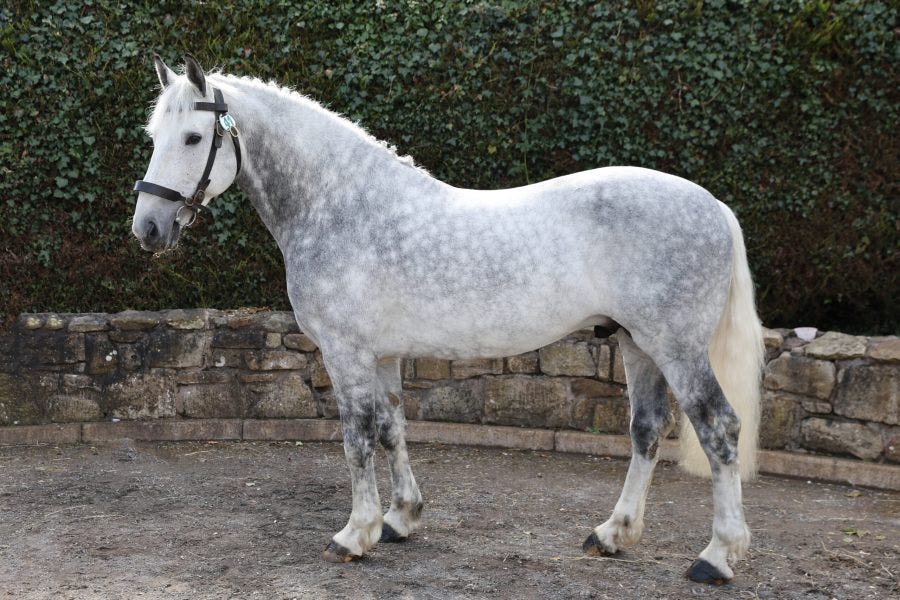
#1 It Is The Official Horse Of Ireland
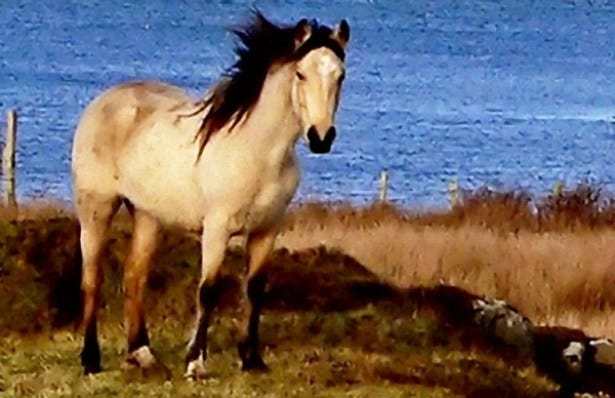
The Irish Draught Horse traces its roots back to the late 1700s. Its origins are thought to include the now-extinct Irish Hobby, a small and hardy horse brought to Ireland by the Celts around 500 BC.
Over time, these native horses were crossed with larger Norman horses and later influenced by Connemara ponies, Spanish breeds, Thoroughbreds, and possibly even Clydesdales. The result was a versatile, powerful horse suited to Ireland’s landscape and agricultural needs.
#2 It Was Bred For Farm Work
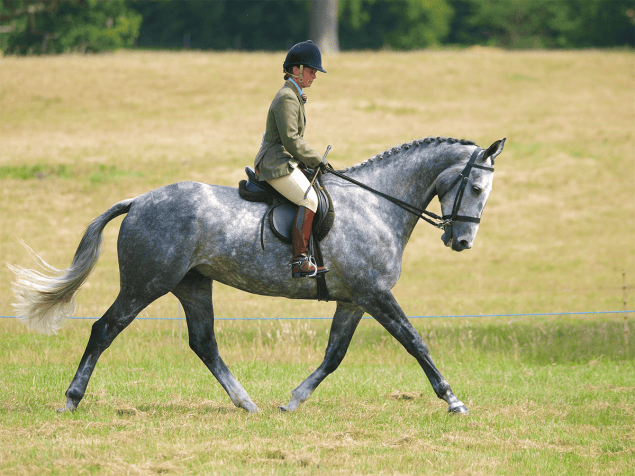
The Irish Draught was developed as a true working horse. It plowed fields, pulled carts, and served as an all-purpose farm animal. But unlike many draft breeds, it retained enough athleticism to serve as a capable riding horse and foxhunter.
#3 It Proved Its Value in Wartime
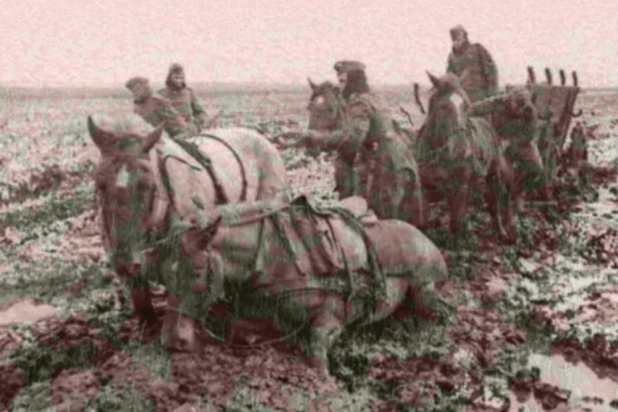
During World War I, Irish Draughts were valued for their strength and soundness, contributing to the war effort in both agricultural and transport roles.
#4 It Helped Create The Irish Sport Horse
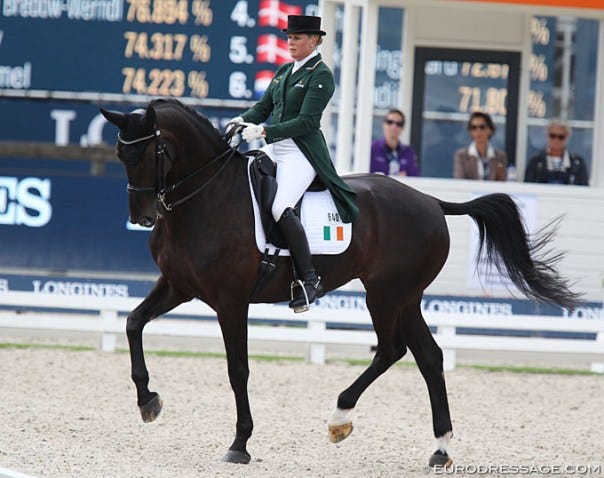
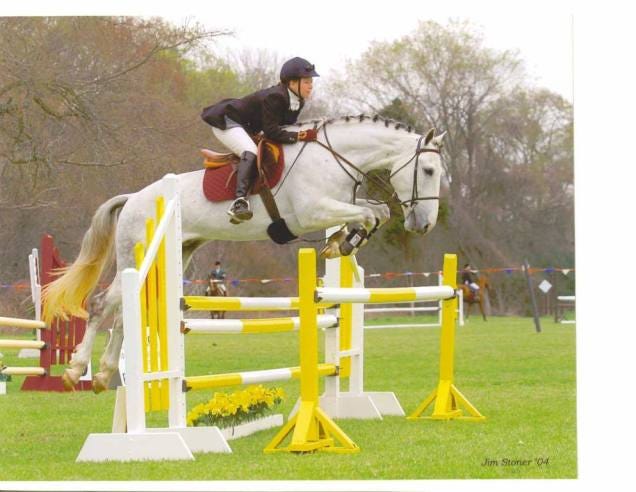
One of the Irish Draught’s greatest contributions to modern sport is its role in producing the Irish Hunter or Irish Sport Horse. When crossed with Thoroughbreds, the result is a versatile athlete prized in foxhunting, eventing, show jumping, and dressage. The Draught contributes bone, temperament, and durability, while the Thoroughbred adds speed and refinement.
#5 It Is A Middleweight Draft
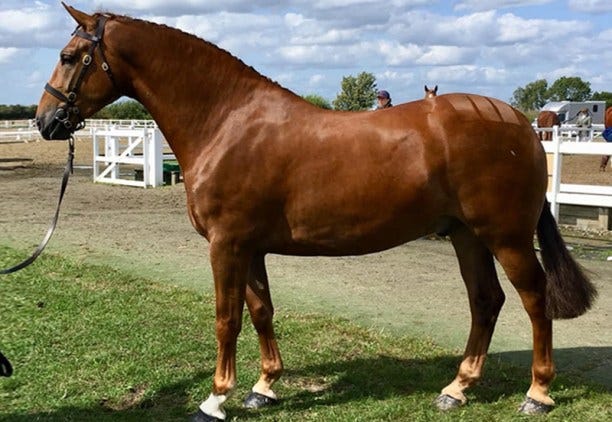
Stallions typically stand between 15.3 and 16.3 hands, with mares slightly smaller. The breed is powerful but not excessively heavy, built to balance strength and agility.
#6 Color Was Never the Priority
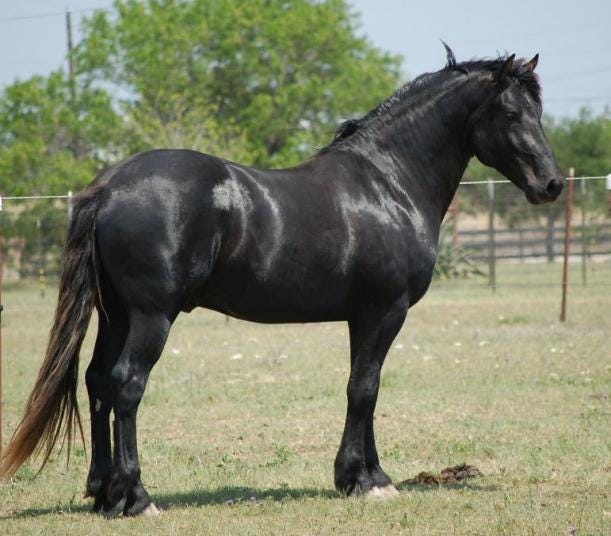
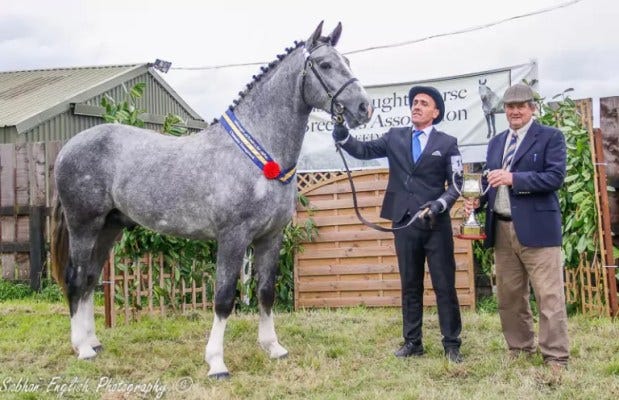
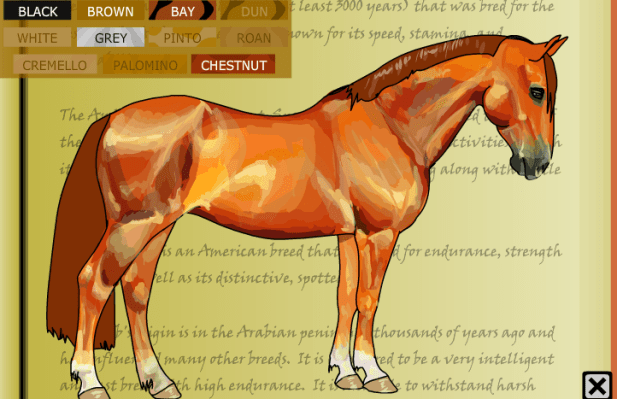
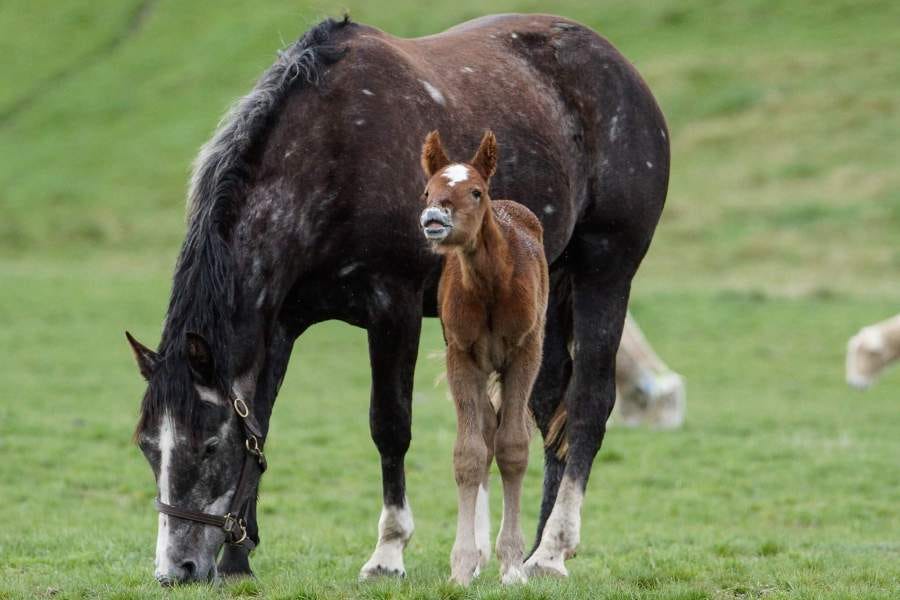
Most Irish Draughts appear in solid colors such as bay, grey, chestnut, black, brown, or dun. Historically, selection focused on soundness and work ethic rather than flashy markings.
While not as common, other colors like roan, buckskin, champagne, cremello, palomino, perlino, and grullo can also occur.
#7 Bone and Soundness Define the Breed
The Irish Draught is known for strong, clean bone and powerful hindquarters. These traits make it especially valuable in breeding programs aimed at producing durable sport horses. Their body is well muscled. They have a broad forehead and long ears. Their head is described as “smooth and pleasant.”
#8 They Have A Reputation for Intelligence and Temperament
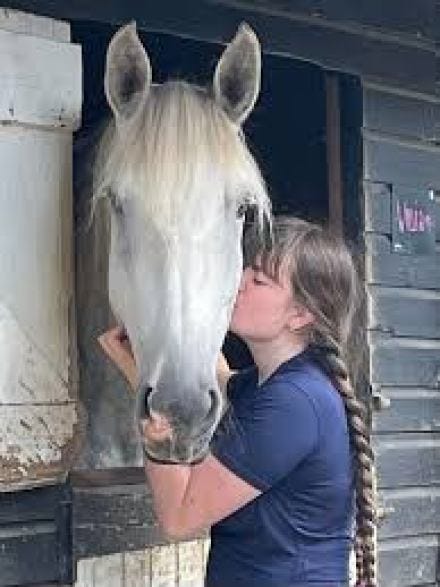
Often described as sensible and willing, the Irish Draught is considered suitable for a wide range of riders. Its steady mind is one of the breed’s defining strengths.
#9 A Breed Worth Protecting
The Irish Draught is considered an “endangered maintained” breed by the Food and Agriculture Committee of the United Nations. Conservation organizations such as The Livestock Conservancy have listed it on their Watch list, and breeding programs continue working to preserve genetic diversity while maintaining traditional traits.
#10 You Can Still Find Purebreds Today
Organizations like the Irish Draught Horse Society of North America (IDHSNA) maintain breeder directories, stallion listings, and registry information. Whether seeking a purebred Irish Draught or an Irish Sport Horse, buyers can begin their search through official society networks.